
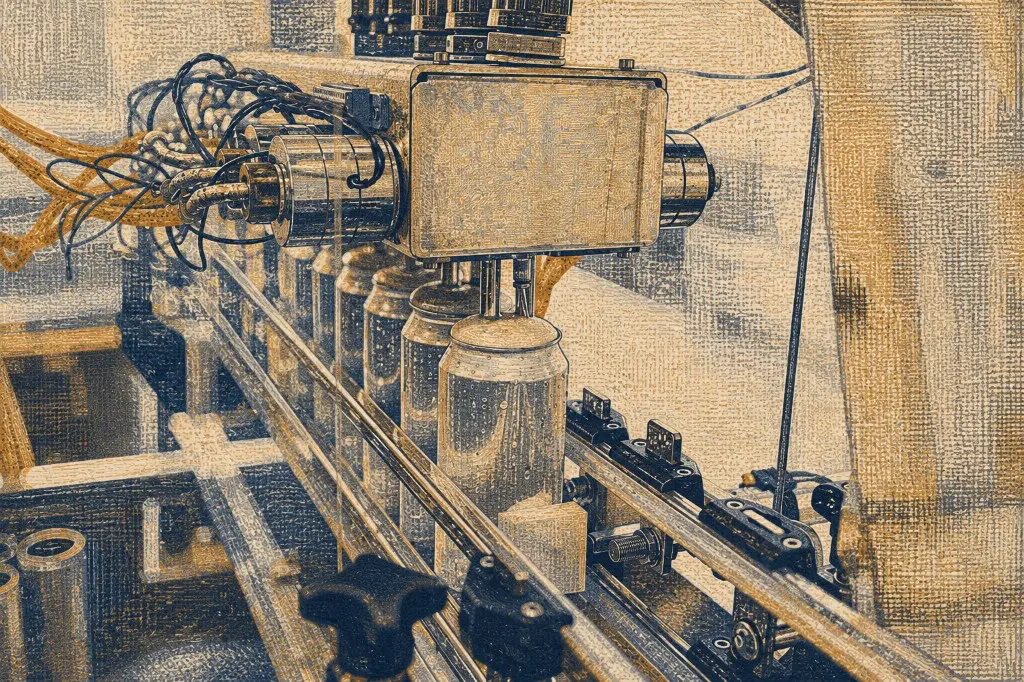
Finance essential equipment without tying up cash.
Equipment financing
for consumer brands
An equipment loan is financing a consumer brand uses to purchase machinery, production lines, or fulfillment equipment needed to manufacture or ship its product, with the equipment itself serving as collateral so the brand can preserve cash for inventory and growth.
Official capital partner to leading retailers





What it is
Equipment loans for consumer brands, explained.
Consumer brands run on equipment. Fillers, sealers, packaging lines, and fulfillment gear are what turn a won order into product on a shelf. Those assets are essential, and they are expensive. Paying cash for them ties up money the brand needs for inventory, production deposits, and growth.
An equipment loan spreads that cost over the useful life of the asset, using the equipment itself as collateral. What it is: term financing for machinery, production lines, vehicles, and fulfillment tools the brand needs to manufacture or ship. What it is not: purchase order financing, and not a lease unless you choose that structure. Typical sizes run from $50,000 to $15 million, depending on the type, age, and value of the equipment.
The comparison that matters is how you pay. A lease lets you use the asset without owning it, unless there is a buyout. PO and production financing fund the order, not the machine. A bank line follows historical receivables and inventory. SBA 7(a) or 504 can cover large equipment inside a broader project, with more process. Paying cash, or raising equity, spends permanent capital on a depreciating asset.
Used and refurbished equipment can be financed when it holds value and is essential to operations. That is often the practical path for a packaging line, bottling setup, or warehouse system that has to come online before the next retail window. The file still needs a clear quote, a use of proceeds, and a lender that actually does equipment.
Bridge is built for that last part. We already work with the equipment lenders, and we bring them hundreds of deals. That is how we know what matters to them, how to underwrite, and what to do to get your deal done, fast. We package the file, flag issues before they stall, and stay on the process through closing.
Equipment loans vs other loan types
Different tools. Different jobs.
An equipment loan sits beside leases, PO financing, bank lines, SBA, and paying cash. The right tool depends on whether you are buying a machine or filling an order, and what you are willing to pledge.
| Option | When it starts | What it covers | Tradeoff |
|---|---|---|---|
| Equipment loan with Bridge | After the quote, use of proceeds, and lender fit are confirmed | Machinery, production lines, packaging, fulfillment, and related equipment, typically $50,000 to $15 million | The equipment is the collateral, so working capital stays available for inventory and orders. Files move faster when they are packaged for lenders Bridge already works with |
| Equipment lease | After the vendor and lessor approve the schedule | Use of the asset for a term, sometimes with a buyout at the end | Lower cash out of pocket. You do not own the asset unless there is a purchase option. Useful when the equipment will be replaced on a short cycle |
| PO / production financing | When the buyer commits, or when production has to start | Materials, manufacturing, and freight for a specific order | Built for inventory and COGS, not for buying the machine. The right tool for a run, the wrong tool for a line |
| Bank LOC / ABL | When the line is available against history and collateral | Working capital sized to receivables, inventory, or a borrowing base | Useful for ongoing operations. Usually not sized to a new production line, and often wants more history |
| SBA 7(a) or 504 | After eligibility, structure, and (for 504) dual underwriting clear | Equipment as part of a broader capex or owner-occupied project | Often the lowest down payment on major fixed assets. Slower and more document-heavy. Built for a project, not a single filler or sealer |
| Paying cash, or raising equity | Immediately, if the cash or the round is sitting there | The full invoice | No interest. Ties up cash the brand needs to fill orders, or gives up ownership to buy a depreciating asset |
Other ways to pay
Useful tools with different constraints
- 01Leases preserve cash, but you do not own the machine unless there is a buyout
- 02PO and production financing fund the order, not the production line
- 03Bank lines follow historical AR and inventory, not a new machine
- 04Cash and equity both spend permanent capital on a depreciating asset
Equipment loans with Bridge
Packaged for lenders that already do this work
- 01The equipment is the collateral, so inventory cash stays in the brand
- 02Files go to equipment lenders Bridge already works with
- 03Quotes, vendors, and use of proceeds are aligned up front
- 04Used equipment can be in scope when it holds value and is essential to operations
The real cost
The expensive outcome is starving the order for a machine.
The rate on the equipment is rarely the problem. The problem is writing a check that empties inventory cash, or giving up equity to buy a filler.
Equipment is a depreciating asset. The brand is not. Using operating cash, a production facility, or an equity round to buy a line mixes those two jobs. The machine gets funded. The next order runs short on the cash it needs this week.
An equipment loan exists so the asset can carry itself. Bridge treats it as a packaging product: the right lender, a clear quote, and a file that matches how equipment lenders actually underwrite. If a lease, PO financing, or a bank line is the better tool, we say so before you commit the calendar.
- Equipment loans are for assets the brand needs to own and run, without pledging the rest of the company.
- They are not for filling a purchase order. That is a production financing job.
- Bridge packages the file for equipment lenders we already know, so the process has a path through closing.
Where brand cash goes instead
Illustrative uses of cash, not pricing. Bridge does not quote an equipment APR on this page. Terms are deal-specific and disclosed during underwriting.
- Working capitalInventory, deposits, and freight that cannot wait
- Paying cashThe invoice is gone, and so is the reserve behind it
- EquityPermanent ownership spent on a depreciating machine
- LeaseUse without ownership, unless a buyout is built in
- Equipment loanThe asset is the collateral. Inventory cash stays put
How capital moves
From equipment quote to funded close.
Share the list
Quotes, vendors, what the brand needs, and when the line has to be live. New or used, as long as the asset is essential.
See terms
Bridge packages the file for equipment lenders we already work with. Terms are typically presented within 48 hours of a complete request. No cost to review. No obligation to close.
Fund against the asset
The equipment is the collateral. Working capital stays in the brand, and the file is driven through closing.
Underwriting starting point
What helps us move fast.
Equipment lenders underwrite the asset and the operator. A complete quote and a clear brand picture keep the file from restarting.
- Equipment quote, invoice, or vendor details
- Company overview, products, and retail or wholesale channels
- Use of proceeds and the date the equipment is needed
- Recent financials and ownership basics
Common questions
Frequently asked questions
How is equipment financing different from leasing equipment?
With equipment financing, you own the asset once the loan is paid off. A lease is closer to renting: you make payments to use the equipment and do not build ownership unless there is a buyout at the end. Leases can still be the right tool when the asset will be replaced on a short cycle. An equipment loan is usually the better fit when you want to keep the machine on the books.
Can I finance used equipment?
Yes. Many of the equipment lenders Bridge works with will finance used or refurbished equipment, as long as it holds value and is essential to operations. That can be a cost-effective way to add a production, packaging, or fulfillment line without buying new.
How much can I borrow?
Equipment financing typically ranges from $50,000 to $15 million, depending on the type, age, and value of the equipment. Those figures are typical market ranges, not a quote. Actual size is deal-specific and disclosed during underwriting.
Do I need collateral beyond the equipment itself?
In most cases, the equipment serves as the collateral, so you do not have to pledge the rest of the business. Some lenders may ask for a personal guarantee or secondary collateral on larger or higher-risk packages. Bridge clarifies those requirements up front so there are no surprises mid-file.
Why work with Bridge instead of going to an equipment lender directly?
Bridge already has the equipment lenders, and brings them a high volume of deals. That is how we know what matters to them, how they underwrite, and what to do to get your deal done, fast. We package the file, flag issues before they stall the loan, and keep the path moving through closing.
Do I have to take financing if I see terms?
No. No cost to see terms. No obligation to close.
Get started
See if equipment financing fits your brand.
Share the quote and the business. Bridge will package it for lenders that already know the work.
All financing is subject to application, credit review, and underwriting.